
Is Cultism Gay?
Masculinity, Brotherhood, Crime and the Quest for Male Recognition in Nigeria.

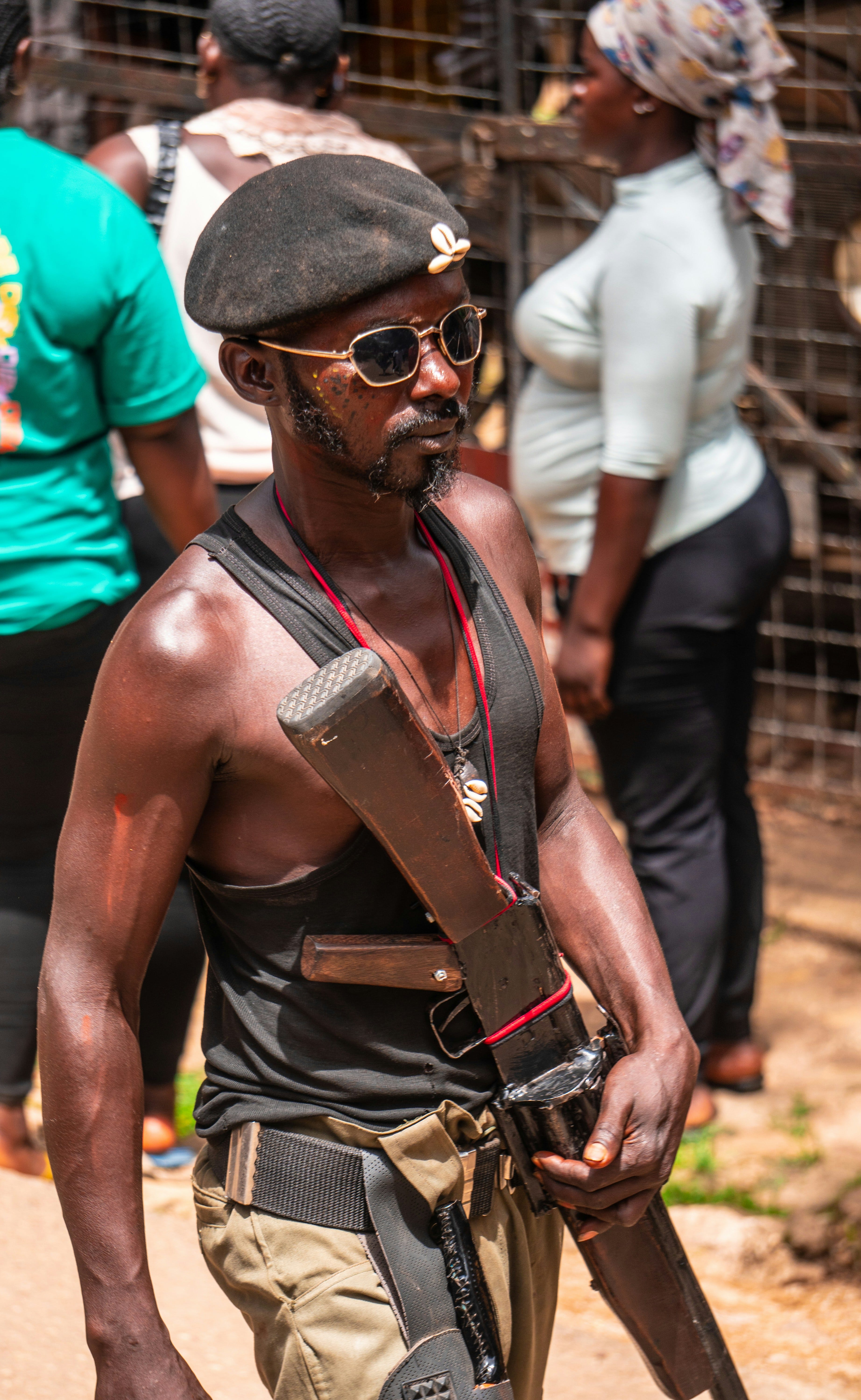
Photo By Ayano Tosin (Unsplash)
Introduction: A Rhetorical Question.
It may not be obvious to some that the title above is a rhetorical question, a narrative hook, clickbait if you will, that leads into a nuanced discussion about cultism in Nigeria. So let me just answer it.
No. Cultism is not gay.
At least not in the way that relates to sexual orientation. However, there is perhaps something a ‘little’ gay about it. Something worth speaking about. That ‘little’ something is what this whole essay is about, what I will try to pull out and break down.
So, let’s talk about it.
At first glance, the title question may appear provocative, absurd, or even offensive coming from a straight man. I will go out on a limb to claim that it could also offend some former, present and potential cultists, including those I know. Yet again, this is not a draft about the sexual orientation of cultists. We could go deeper into the problematic, if not outright homophobic, uses of the word ‘gay’ outside of the LGBTQ community; however, that as well is not the focus of this essay, even though valid. Nonetheless, there is something about cultism in Nigeria, and, to some extent, even gang culture in general, that deserves to be explored from this perspective. But first, what exactly is cultism?
In Nigeria, cultism refers to membership of mafia-style gangs colloquially known as secret cults with origins and operational sites linked to Nigerian university fraternities. Members are initiated through elaborate, violent rituals and bound by oaths of loyalty to the cult; the group’s inner workings are forbidden from disclosure to outsiders, and they are often identifiable by distinctive insignia and coded language. Specialising in violence, intimidation and terror, they typically operate outside the law and are known for committing crimes such as human trafficking, kidnappings, internet fraud, mutilations and murder. These acts are mostly directed at rival cults or at specific designated targets, and, in some cases, at the public as well, causing indiscriminate and (in)voluntary casualties among innocent, non-cult-affiliated bystanders in the vicinity of their targets. With the exception of the Northern region, where it is less prevalent for reasons worthy of further study, cultism is a fairly widespread phenomenon in the country; almost everyone who lives in Nigeria has experienced it, either as a perpetrator, victim, enabler, aspirant, witness, bystander, or as someone averse to it. In recent years, it has been reported that some cults have established elaborate networks that have enabled them to evolve into organised crime syndicates, even involving certain Nigerian diasporic communities.
As a form of gang culture, cultism is typically discussed through the lenses of crime, poverty, unemployment, governance, policing, and social disorder. Sexuality (not sexual orientation) rarely enters the conversation. Yet as much as they would hate to admit it, the question ‘Is cultism gay?’ points to a deeper sociological puzzle, which centres on the popular narrative that, in society, most men would first seek the admiration, validation, recognition, respect and approval of other men and would do anything to obtain it. This is precisely why this piece is important for me. After seeing many young men throw their lives away over ‘Nothing’, I asked myself a series of questions. Firstly, why do they risk social expulsion, imprisonment, injury, and death in pursuit of the admiration of other men? Secondly, why do organisations that define themselves through hypermasculinity, violence and aggression revolve so intensely around relationships between men? Lastly, why do institutions built upon the performance of heterosexual masculinity often demand extraordinary levels of symbolic, physical, and most importantly, emotional investment in male approval?
Cultism and Homo-Economics in Nigeria.
I do not intend to suggest by the title of this piece or by its contents that cultists or gang members are closeted. In fact, proving and defending such a claim would be empirically weak, intellectually uninteresting, socially problematic and emotionally unsettling for LGBTQ communities, especially those in Nigeria who already have a lot on their plate to deal with, and whom I significantly respect and find braver than I do cultists. One reason for my stance is that being gay does not inherently lead to violence or terror; quite the contrary, queer individuals often face violence and intimidation, especially in Nigeria, where homosexuality is criminalised. LGBTQ+ community members (individually or collectively) are not typically accused of cult-related crimes. Although both homosexuality and cultism are criminalised in Nigeria to varying extents—one federally and the other in some states—breaking a law does not automatically make someone a criminal. The evidence makes it clear who is genuinely responsible for causing fear and distress in people’s lives. But I digress.
The question rather serves as an entry point into a broader examination of homosociality: the social organisation of relationships between people of the same sex. By looking into gang cultures, particularly Nigerian cultism, I want to argue that many violent male subcultures around the world persist today because they offer young men something they struggle to obtain elsewhere: belonging, recognition, status, identity, and a sense of worth. Therefore, viewed from this perspective, cultism and gang culture function beyond the mere label of criminal organisations and instead as institutions that distribute masculine legitimacy in modern-day (liberal democratic) societies.
To understand why cultism exists in Nigeria, one must first examine its social origins. Modern Nigerian cultism traces its roots to university confraternities, most notably the Pyrates Confraternity at the University of Ibadan, founded in the 1950s by students including the novelist and Nobel laureate Wole Soyinka. The original movement emerged as a critique of colonial convention, remnant elitism, tribalism, and social conformity. They also promoted intellectualism and advocated for human rights, both leading up to and beyond Nigeria’s colonial independence. One could argue that the widespread pro-black and anti-imperial political consciousness, social advocacy, and political movements of the 20th century, to varying degrees — such as Panafricanism, the civil rights movement in the United States, the anti-apartheid movement in South Africa, and the Black Panther Party — played a role in inspiring the formation of Nigerian University Confraternities and their fashionably militant aesthetic and radical demeanour over the years. However, over subsequent decades, these Nigerian university confraternities became corrupted, multiplied, fragmented, and transformed, deviating from their once-noble origins and evolving into full-fledged criminal organisations.
As neither cults nor gangs emerge in a vacuum, explanations for their emergence or for the villainous transformation of noble fraternities into cults range from speculation to common knowledge. Understanding this reality requires moving beyond moral condemnation towards a more nuanced examination of how power, influence and coercion operate; how they target the susceptible and impressionable, especially within vulnerable communities. Researchers on gang culture often note that gangs emerge and flourish where state institutions fail to provide security, economic opportunity, or social mobility, and where institutional legitimacy is weak and informal networks become essential for survival and advancement.
The same is true for Nigeria, where indicators highlight social vulnerability and political insecurity, including democratic decline, the rise of (military) dictatorships, political corruption, absence of social programmes, deteriorating public infrastructure and welfare, resource politics, systemic inequality, unemployment, poverty, inadequate educational opportunities, and rising crime, as part of the main drivers of cultism. In many parts of Nigeria, cult organisations operate within broader systems of patronage and influence, spreading into neighbourhoods and entire communities, and becoming embedded in local social structures, urban environments, transport networks, neighbourhood associations, and informal economies. Political actors have historically mobilised cult groups during elections, while some local elites have used them as instruments of intimidation, protection, or social control. These relationships blur the line between criminality and political participation, making cultism today less of a “campus problem” and more of a broader social phenomenon, particularly across southern Nigeria.
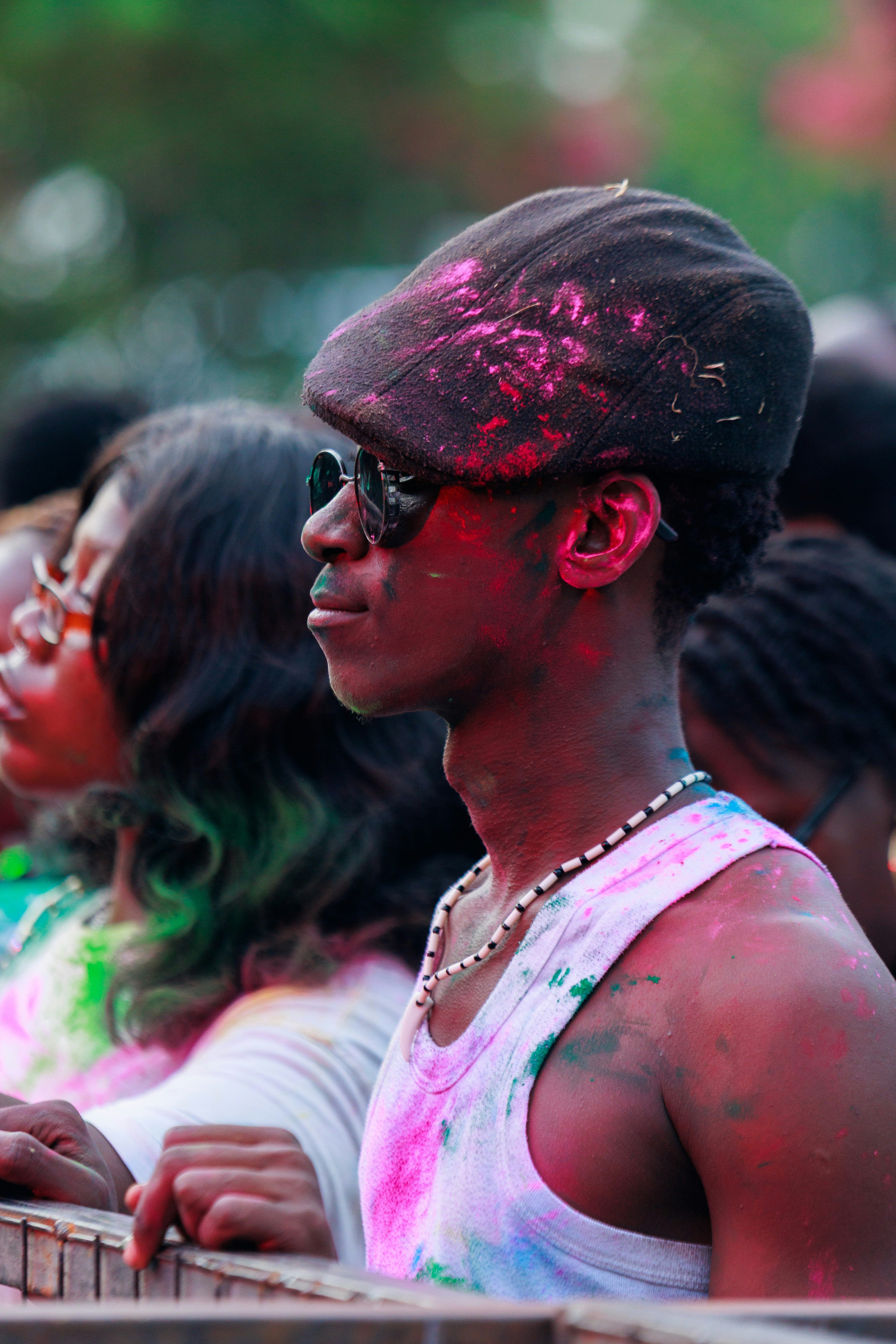
Photo by Ben Iwaran (Unsplash)
Although these facts are well documented, they do not fully explain recruitment; rather, they partly explain how material benefits, which often seem to matter in impoverished ecosystems, can become a driver of recruitment.
Through initiation rituals which symbolise rebirth, sacrifice, courage, loyalty and commitment, a recruit acquires a new identity, a new community, and a recognisable hierarchy through which social status can be easily earned. Once officially recognised as a member, cultists supposedly gain access to social networks, boundless economic opportunities, physical protection, and cultural influence that extend beyond campus life. Along with a false sense of self-importance and an idealised sense of security, they also gain an outlet to experience and exercise the rush of feeling seen and the adrenaline of ill-managed masculinity and youth.
In fact, this political economy and social capital of cultism are what allow it to persist despite repeated efforts to eradicate it. It takes advantage of the absence or unreliability of formal institutions to offer certainty in environments characterised by uncertainty, and collective visibility in place of individual anonymity. We see similar phenomena all over the globe - the Italian Mafia, the favela gangs of Brazil, and North American gang culture. It’s clearly not limited to developing countries. These all flourish in environments marked by social exclusion and limited economic opportunity. It is also common knowledge in Nigeria that most cult members come from relatively privileged backgrounds. Yet gangs are not simply economic enterprises; many gang activities carry substantial risks while offering unequal material rewards.
Therefore, if conventional explanations — such as poverty, material benefit and social mobility — of the cult–gang lifestyle alone do not tell the whole story about recruitment, what does? What else is missing? I mean, if poverty were truly the cause of cultism, many Nigerians facing economic hardship would be cultists rather than migrants. Nigerians (including those who are cult members) are not strangers to risk and adversity; they have put their lives on the line for far more dangerous endeavours than cultism. So, why do most young people and new recruits still aspire to join the cultist ranks?
Many young men have described joining cults for different reasons, for example, to seek protection, political patronage, friendship, influence, reputation, or a sense of purpose, and because the cults provide a ready-made identity they can adopt.
In fact, far more often, the pursuit of reputation, approval, validation and recognition appears more important than material gain. Gang members repeatedly place themselves in danger for symbolic victories that enhance personal status among male peers, and the use of violence functions as a currency for communication and hierarchy, signalling courage, loyalty, toughness, and commitment to the group. Ultimately, though, it raises another crucial question. For whom are these misguided performances of masculinity and virility intended?
Cultism and Homosociality (the Performance of Masculinity)
The sociologist Erving Goffman argued that social life often resembles a performance. Individuals present themselves before audiences and manage impressions in ways designed to secure recognition and approval. This insight is particularly relevant to cultism and gang culture. Many of the behaviours associated with these groups can be understood as performances of masculinity. Displays of fearlessness, aggression, loyalty, toughness, and dominance convey specific messages to particular audiences. The intended audience is frequently male. This observation challenges common assumptions in pop culture and ethology about masculinity, which often suggest that masculine displays, such as pageantry, flattery, fawning, ‘glazing and simping’, and feats of strength, are performed primarily to court, attract, or curry favour with the opposite sex. If it were true that such displays of masculinity are ultimately directed toward women, then why do the most intense ‘masculine’ performances occur in spaces where women are largely absent and which the manosphere claims as theirs?
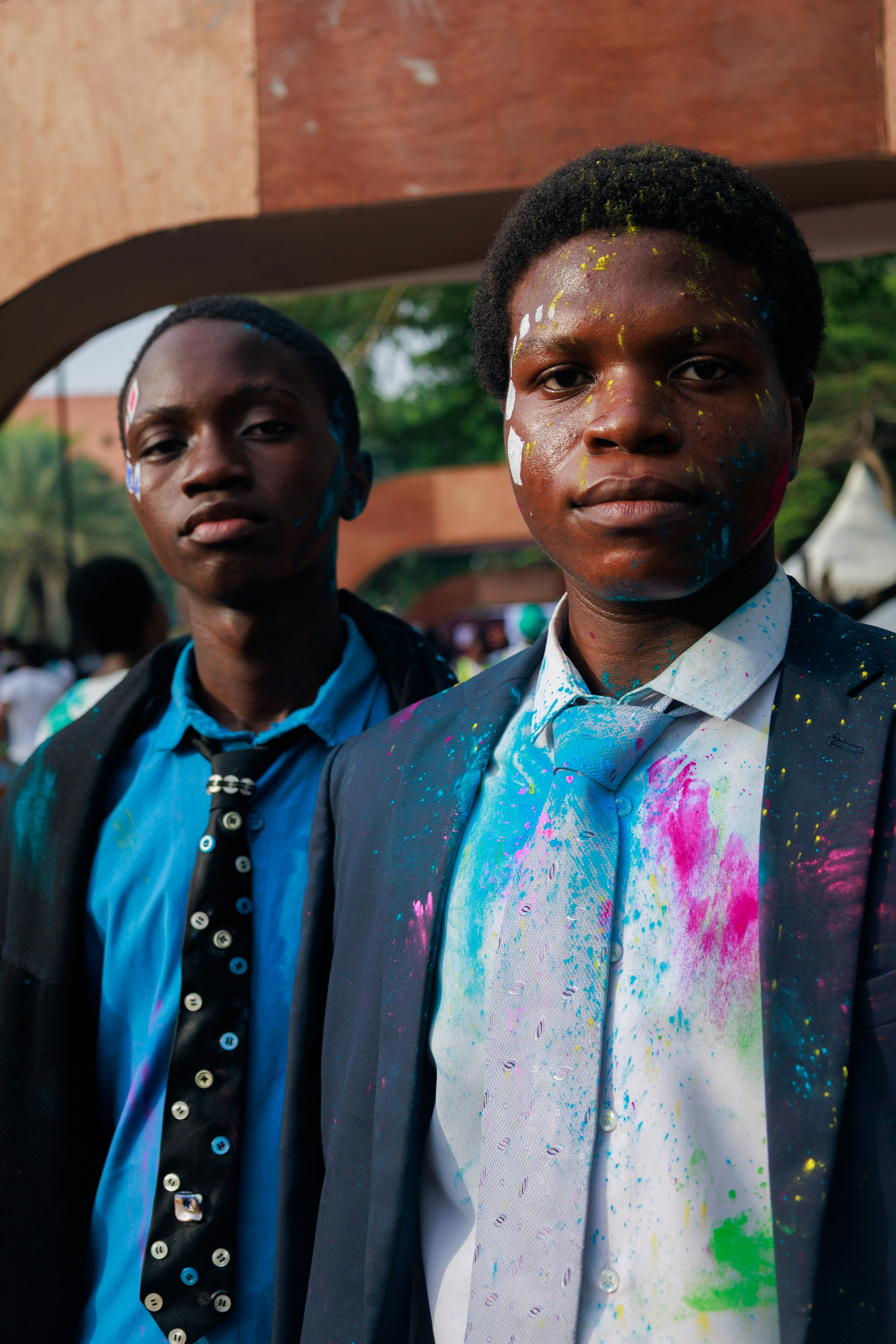
Photo by Ben Iwaran (Unsplash)
For example, gang initiations, cult meetings, fraternity hazing rituals, locker-room culture, the military, gym culture, and prison hierarchies all centre on the judgment of other men. In these manospheric marketplaces, the approval of fellow men becomes a form of currency, in which recognition, respect, and ranking are not easily obtained but are constantly negotiated, bought, traded, and exchanged as rewards, virtues, objectives, or merits to pursue. In these ‘centres of manhood’, whoever possesses the most violent virility wields the most power and has the authority to confer status on others. The audience that matters most is frequently, if not exclusively, male. The same observation applies to many forms of Nigerian cultism. Members endure torturous initiations, obey hierarchies, demonstrate loyalty, and assume significant risks primarily to secure their standing within an exclusively male community. They develop intense emotional bonds of loyalty and sacrifice to fellow members and the programme. They prioritise membership to the group above many other relationships, including familial and romantic partnerships. They demonstrate extraordinary concern for how they are perceived by fellow members, whose perceptions seem to matter. Therefore, from this perspective, cultism may be understood as an industry that manufactures and distributes only male recognition. They offer nothing else more significant than this, male validation.
This is precisely where the provocative question ‘Is cultism gay?’ arises. It’s because members spend most of their time with other men that outside observers may plausibly conclude that these environments display characteristics that could be (mis)interpreted as homoerotic. However, at this point, the concept of homosociality becomes useful for analysing and distinguishing the elements within this nuance. Sociologists and gender theorists have used the term to describe a world or social order organised around relationships between members of the same sex (particularly men). Rather than being a commentary on sexual orientation, homosociality highlights how status, belonging, identity, and emotional investment can become concentrated within same-sex networks. For example, sororities, nuns, and even female-only feminist spaces are forms of homosocial networks. Therefore, from this perspective, cultism and gang culture can also be understood as highly intensified forms of male homosociality. They are systems in which the longing for recognition and approval of other men becomes a central organising principle and the most effective recruitment tool, as it attracts and grooms young men into a life of violence and crime.
Furthermore, cultural critics of the 1980s and 1990s Hollywood action films have frequently noted the homoerotic undertones within male homosocial environments, particularly those in which male bodies, male competition, male bonding and male admiration occupy centre stage. These observations do not imply homosexual desire. Rather, they reveal a striking social contradiction: how masculinity often depends on forms of admiration and attachment among men that society struggles to openly acknowledge. Cultism reflects a similar contradiction. Its emotional centre lies within relationships among men, yet its ideological language often denies the significance of those relationships.
Although the boundary and dynamics between homosociality, homosexual desire and homoerotic symbolism can sometimes become difficult to define, that is not the main topic addressed here, nor is whether cultists are secretly gay; it never was, and such a claim would again oversimplify both sexuality and social life. The more interesting question, I believe, concerns why certain forms of masculinity become intensely organised around male approval while remaining deeply anxious about any association with homosexuality.
I find it fascinating that many social institutions across worldviews and social orders contain elements that can appear homoerotic without involving a hint of sexual attraction. This is why the concept of homosociality in this discourse is very useful because it simply exposes contradictions within masculine culture. It does not deal with or reveal hidden sexual identities or suggest sexual desire. In fact, hypermasculine institutions and industries, like those mentioned earlier, often demand profound emotional investment from men while simultaneously policing any suggestion of homosexuality, sometimes severely. The stronger the emphasis on brotherhood, loyalty, sacrifice, and male bonding, the stronger the need to publicly reaffirm heterosexuality. This tension reveals a fascinating, unresolved paradox at the heart of many masculine subcultures, one that extends beyond cultism. It is a paradox that appears in observations made about military, sports institutions, fraternities, prisons, and even popular entertainment.
The persistence of cultism and gang culture, therefore, cannot be explained solely by the economics of industrialised hetero-masculinity or criminal opportunity. These organisations satisfy emotional and psychological needs that many formal institutions fail to address. They offer pathways to recognition. They create communities of belonging. They provide narratives through which young men attempt to understand themselves, especially in societies where masculinity is frequently measured by status, dominance, fearlessness, sexual prowess and respect. Organisations capable of distributing these rewards retain considerable appeal to young men.
Cultism and Manhood, as a Rite of Passage
I find that another reason cultism continues to attract young men lies in the erosion of (traditional) pathways through which masculinity (was historically) is organised, recognised and affirmed, especially in Nigeria. Across many Nigerian cultures and ethnicities, adulthood was once marked by identifiable societal rites of passage, developed over the ages and shaped by customary or modern conventions, rituals, ceremonies, responsibilities, and expectations within their respective cultures, passed down through generations to mark the transition from boyhood to manhood. Examples include coming-of-age ceremonies, initiation into indigenous masquerades, church programs, sports teams, Boy Scouts, school clubs, and even social clubs such as the infamous Peoples Club of Nigeria, whose feats and members were celebrated in songs by the legendary artist Oliver De Coque.
Though these conventions varied, they generally served the same purpose: they built character, provided recognition, a sense of belonging and social legitimacy, as well as a set of convictions (morals, values, principles and ethics) and an inherited set of responsibilities and virtues. Socio–cultural norms ranged from how to treat women; how to serve, protect, provide for, and nourish the community, family, and partners; when to wage war and when to seek peace; when to speak and when to listen; and who to learn from and whom to teach. When to welcome life and when to celebrate a fulfilled one.
Therefore, it is not a shock that in societies where what were considered clear pathways to ‘manhood’ (institutional, modern, traditional, or otherwise) are either absent, eroding, or no longer encouraged, youth are vulnerable and susceptible to any and all remedies that provide access to structures that represent a sense of meaning. For many recruits, the cult offers immediate answers to questions they find too complex or difficult to answer on their own. Who am I? Where do I belong? What makes me a man? Who recognises my worth? What do I stand for?
Contemporary Nigeria presents a more complex landscape that does not have an answer to any of these questions. Urbanisation, economic instability, unemployment, educational competition, social mobility and even security issues have significantly impacted many of the conventional structures and avenues through which young men once found these answers and acquired status. On security concerns, cults are not the only phenomenon disrupting peace and misleading youth. Terrorism and banditry also pose significant threats. While there are similarities in the demand for loyalty and the provision of security, the main difference between cults, bandits, and state-designated terrorist groups like Boko Haram—all of which predominantly prey, recruit, groom and mislead young men—is that cults, above all, promise reputational benefits, ‘street cred’ for both organisation and member, whereas the other two tend to act on ideological grounds.
Furthermore, in Nigeria today, a university degree no longer guarantees employment, and economic independence often arrives later, if at all. Marriage has also become increasingly expensive and perhaps undesirable for some. All the while, social expectations of ‘masculinity’ remain high, and those who fail to meet the standards of this ever-shifting social construct (through no fault of their own) are looked down upon. Hence in this environment, cult organisations serve an important sociological and psychological purpose to the recruit, even before they commit any violent or criminal acts. They serve as alternative rites of passage, as membership offers an immediate sense of transformation, which creates a distinction between insiders and outsiders while granting members a sense of belonging that many desperately seek and struggle to find elsewhere in society.
Despite this understanding, some individuals in Nigeria will still question why cult membership remains appealing despite its dangers or seek ways to impose harsher punishments on gang members or cultists. Similarly, I think approaching the issue of cultism and gang culture from a position of ignorance is quite frankly unproductive. It shows precisely why the usual conventional measures (Institutional, legal and political) have had limited success in tackling this problem.
Conclusion: Cultism Beyond Deterrence and Punishment.
I do believe that to solve the issue of cultism in Nigeria, we have to reimagine the concept of masculine belonging from cultural, social and institutional perspectives, especially since the solutions currently in place —the usual anti-cult campaigns, institutional sanctions, police crackdowns, and judicial sentences— have proven inefficient in preventing recruitment and completely curbing this dangerous phenomenon.
In fact, these solutions often assume that recruitment results from ignorance or poor decision-making and can be overcome by willpower or active resistance alone, without a wholistic structural assistance. Simplistic public-awareness campaigns that employ anti-cult slogans urging young people to just ‘say no to cultism’ have also proven to be similarly ineffective as those in the United States during the Reagan-era war on drugs, which also simply asked kids to just ‘say no to drugs.’ Most kids, of course, do say no, but unfortunately, criminal organisations do not readily take ‘No’ for an answer; in fact, saying ‘No’ is often neither easy nor enough.
Take, for instance, the United States, where decades of aggressive deterrence — such as heavy-handed policing, arrests, and a prison system that prioritises sweat equity over reform and reinforces that inhumane concept through long and harsh sentences, including ‘life’ or capital punishment—have failed to overcome gang culture; similar measures have equally failed to eliminate cultism in Nigeria. Hence, it doesn’t matter how much law enforcement tries to intervene and deter, or how much the courts severely punish offenders; none of it matters if institutions struggle to address the social desires that make such organisations attractive to young people in the first place. Of course, this does not mean the law is irrelevant; the argument here is far from that reasoning and conclusion. Criminal violence certainly requires legal intervention, and as much as victims deserve justice, communities deserve protection across the board, both online and offline, especially since these gang-related activities now manifest online as well.
Yes, the quest for masculine recognition persists in the digital space, which also invites the presence of gangs, further complicating efforts to resist and prevent cultism. While social media platforms host numerous online communities with thousands of followers, such as Naijaconfra—which advocates against membership in cults, raises awareness of the consequences, and provides active rehabilitative support for ex-cultists. The same social media platforms have also created channels for cult activities to unfold digitally with little interference and impunity, much like in the physical world. In fact, the digital environment often benefits gangs more—serving as a site for recruitment, promotion, raising grievances, issuing threats, taunting, mocking, tracking and attacking rivals, and marking territory—thus expanding their influence, boosting their notoriety, and appealing to the longing for belonging, recognition, status, and approval.
Thus, regardless of where it occurs — online or offline — as long as young men continue to seek belonging, status, and recognition and society fails to meet those expectations, dangerous, malicious alternative groups will emerge to fulfil those needs. Despite knowing the risks associated with gang affiliation, many young people will still choose to join because the perceived immediate rewards outweigh the risks. Hence, my belief is that cultism persists and thrives despite decades of punishment and condemnation, not because hetero-normative masculine status and behaviour are inherently attractive, but because social recognition is, and violence is one of the ways through which that recognition is often obtained. Understanding that distinction may be the first step towards developing alternative narratives capable of competing with and eradicating the cult’s appeal.
Prevention, therefore, requires understanding what cults and gangs offer that schools, families, workplaces, religious institutions, and civic organisations cannot provide. If cultism persists because it offers a sense of belonging, effective responses may require undermining the symbolic value of membership by providing alternative forms of belonging. If it offers status, alternative pathways to status must exist. If it supplies recognition, communities must create healthier systems through which recognition can be earned. This requires more than policing. It requires investment in education, mentorship, employment, civic participation, sports, arts, community leadership, and public service. It also requires efforts by influencers, content creators, and internet sensations to target what makes cultism appealing and relevant, and to re-engineer it from cool to uncool in the minds of the young, because the real issue concerns the extraordinary lengths to which many young men will go in pursuit of validation from other men.
Furthermore, as much as effective prevention requires a wholistic approach, with institutions capable of offering young men meaningful identities that do not depend on violence, it also requires asking and answering the question of how ‘masculinity’ is defined and why, across cultural contexts, it’s mostly, if not always, rigid and reductive. This, in itself, engenders the aforementioned harmful behaviours, even if the underlying motives are earnest.
Ultimately, the question ‘Is cultism gay?’ is less important than the phenomenon it attempts to describe, and perhaps the most important question is not whether cultism is gay, but instead why so many vulnerable and susceptible young men are willing to sacrifice their futures for the approval of men they admire. That question directs attention away from sexuality and toward the social architecture of masculinity itself. It invites us to examine how societies construct manhood, distribute status, and create a sense of belonging. In doing so, it opens the possibility of (re)imagining forms of masculine community that do not require violence as the price of recognition.
So perhaps cultism should, in fact, be gay.
Happy Pride to all the Cultists.
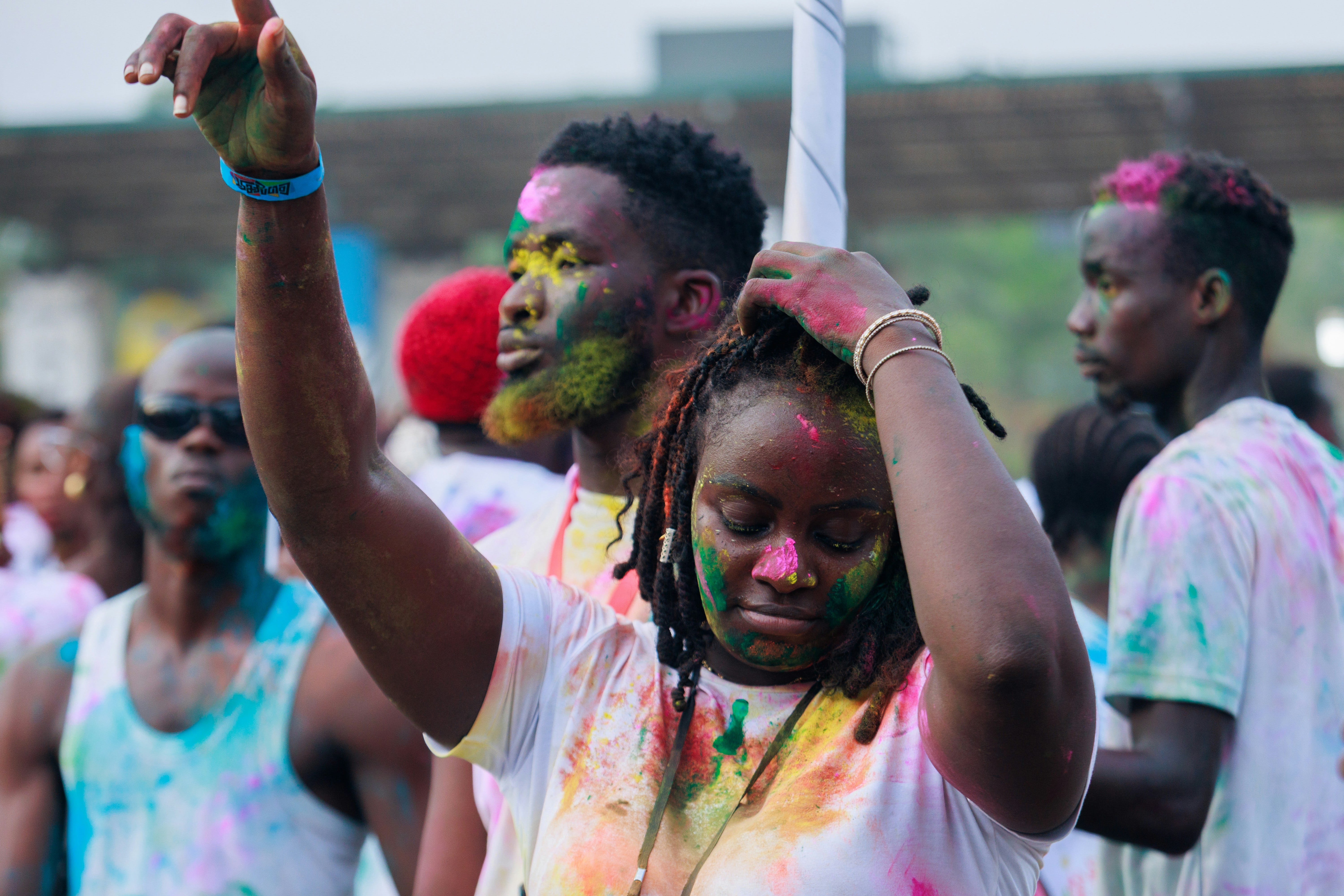
Photo by Ben Iwaran (Unsplash)